
Debunking common myths about gambling that might surprise you
One of the most pervasive myths surrounding gambling is the belief that it is solely a game of chance. While luck certainly plays a significant role, especially in games like slots and roulette, there are strategies and skills involved in many other forms of gambling. Games such as poker and blackjack rely heavily on players’ decisions, knowledge of probabilities, and psychological tactics. Understanding the nuances of these games can significantly improve a player’s chances of winning. You may want to explore zoccer.mobi, where you can discover various gaming strategies.
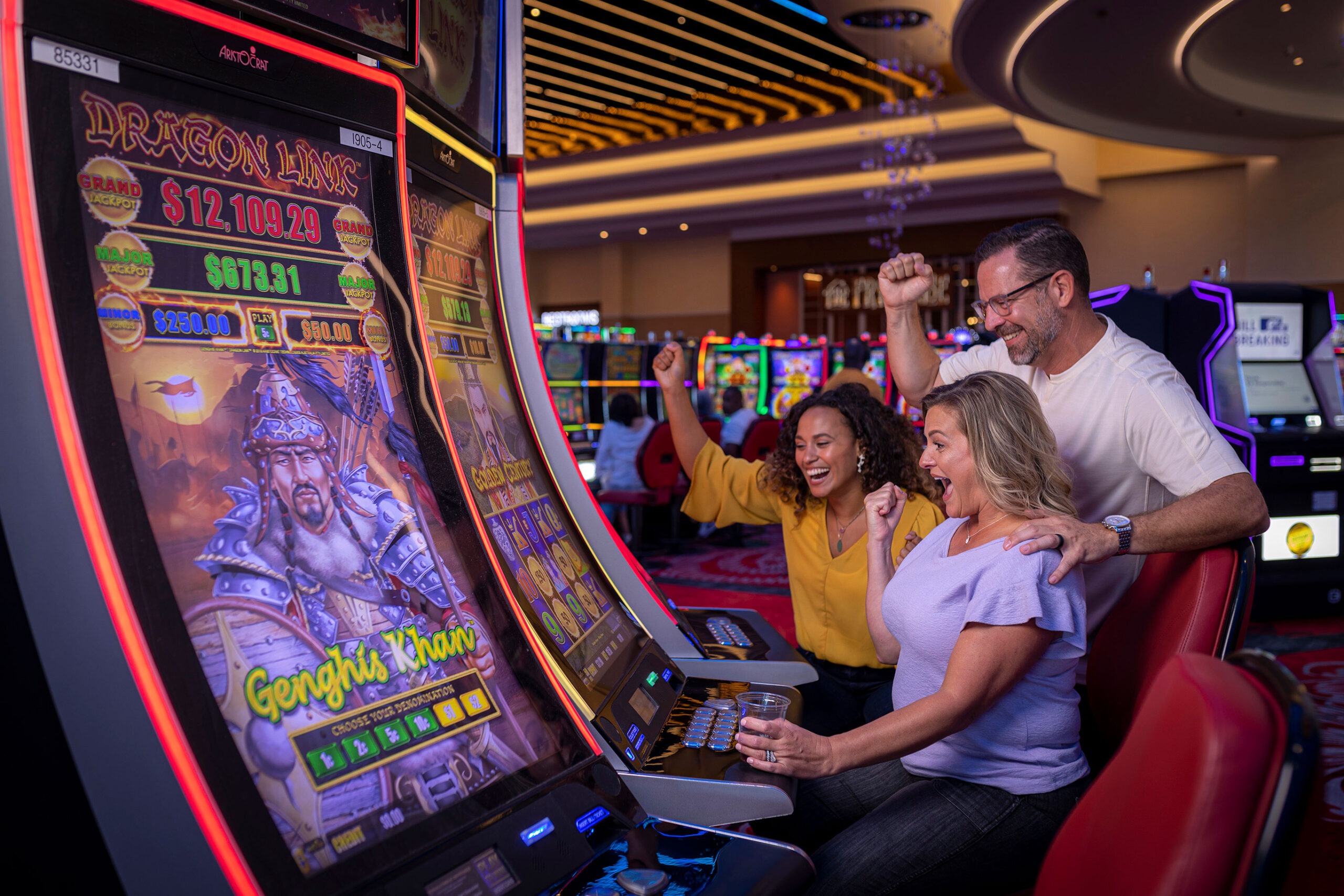
Moreover, numerous studies have shown that skilled players can achieve better outcomes than novices. For example, experienced poker players can read their opponents’ behaviors and make educated bets based on psychological insights. This illustrates that gambling is not merely a roll of the dice; rather, it involves a complex interplay of skill, psychology, and chance.
Additionally, many players tend to overlook the importance of bankroll management. Responsible gambling involves setting limits and knowing when to walk away, which is a strategy that can be as crucial as the games themselves. Therefore, the idea that gambling is purely luck-based undermines the significant role that skill and strategy can play in various gambling forms.
The notion that all casinos are rigged is another common myth that can deter potential gamblers. While it is true that casinos operate with a built-in house edge, this does not equate to being “rigged.” The house edge is a statistical advantage that ensures the casino remains profitable over the long term, but it does not guarantee that every player will lose. Many players enjoy significant wins, and there are countless stories of individuals hitting jackpots.
Furthermore, regulations in many jurisdictions require casinos to operate fairly and transparently. Most casinos use random number generators for their electronic games, ensuring that outcomes are not manipulated. Moreover, independent auditors frequently test these systems to confirm their integrity. This means that, while the odds are often against players, the games themselves are designed to be fair and random.
Understanding that the house edge is a mathematical principle rather than a manipulation tactic can help demystify the gambling experience. Players can enjoy the thrill of gambling while acknowledging that winning is possible, albeit not guaranteed. Thus, the belief that casinos are rigged is more myth than reality, failing to consider the many factors involved in gameplay.
Another myth perpetuated in the gambling world is that players must wager large sums of money to achieve significant wins. While it’s true that high-stakes games offer the potential for larger payouts, it is entirely possible to win substantial amounts while playing at lower stakes. Many successful gamblers advocate for a strategic approach, focusing on games with better odds rather than simply increasing bet sizes.
For instance, slot machines often have varying denominations that allow for diverse betting strategies. Players can choose to play low-stakes machines with a higher frequency of payouts rather than high-stakes options that might appear more appealing at first glance. This strategy not only extends gameplay but can also yield surprising wins without the need for enormous bets.
Additionally, many online platforms offer enticing promotions and bonuses that can amplify players’ winning potential without requiring large initial investments. By taking advantage of these offers, players can enhance their experience and financial gains. This reveals that the idea of needing to bet big to win big is a misconception that can lead players to overlook more effective and sustainable gambling strategies.
The gambler’s fallacy is a psychological phenomenon where players believe that past outcomes influence future events in games of chance. For example, if a roulette wheel has landed on red several times in a row, a player may mistakenly believe that black is “due” to come up next. This misconception can lead to poor decision-making and financial losses, as each spin or deal is statistically independent.
Understanding the gambler’s fallacy is essential for responsible gambling. Players need to be aware that random events do not adhere to patterns or trends, which can help them make more informed choices. A solid grasp of probability can prevent individuals from falling into this trap, allowing for a more rational approach to gambling.
Furthermore, recognizing the gambler’s fallacy can improve emotional resilience. Many players may chase losses based on the belief that they will eventually win back what they’ve lost, leading to reckless gambling behaviors. Education on this topic can empower players to manage their emotions and expectations, ensuring a healthier gambling experience.

If you’re intrigued by the world of gambling and are seeking a reputable platform, look no further than Zoccer Casino. With a user-friendly interface and an array of gaming options, including slots, live dealers, and crash games, Zoccer Casino caters to players of all preferences. Moreover, it offers an attractive welcome bonus, allowing new players to explore the vast gaming selection with added incentives.
Zoccer Casino prioritizes responsible gaming, offering tools and resources to help players manage their gambling habits. Whether you are a seasoned player or a newcomer, the platform ensures a safe and enjoyable experience. Engaging in online gaming can be both thrilling and rewarding, especially when done responsibly.
With diverse promotions and high-quality games, Zoccer Casino invites players to immerse themselves in a world of entertainment and excitement. Join today and discover an exhilarating gambling experience where the focus is not only on winning but also on enjoying every moment of gameplay.