
How gambling shapes cultural identities around the world
Gambling has deep roots in human history, tracing back to ancient civilizations where games of chance were often associated with rituals and social gatherings. In many cultures, these activities were not merely for entertainment but were imbued with spiritual significance, allowing individuals to engage with the divine or fate. For example, dice have been found in archaeological digs from Mesopotamia, indicating their use in both casual and ceremonial contexts. If you’re interested in learning more, you can visit this website, which provides insights into the current gambling landscape.
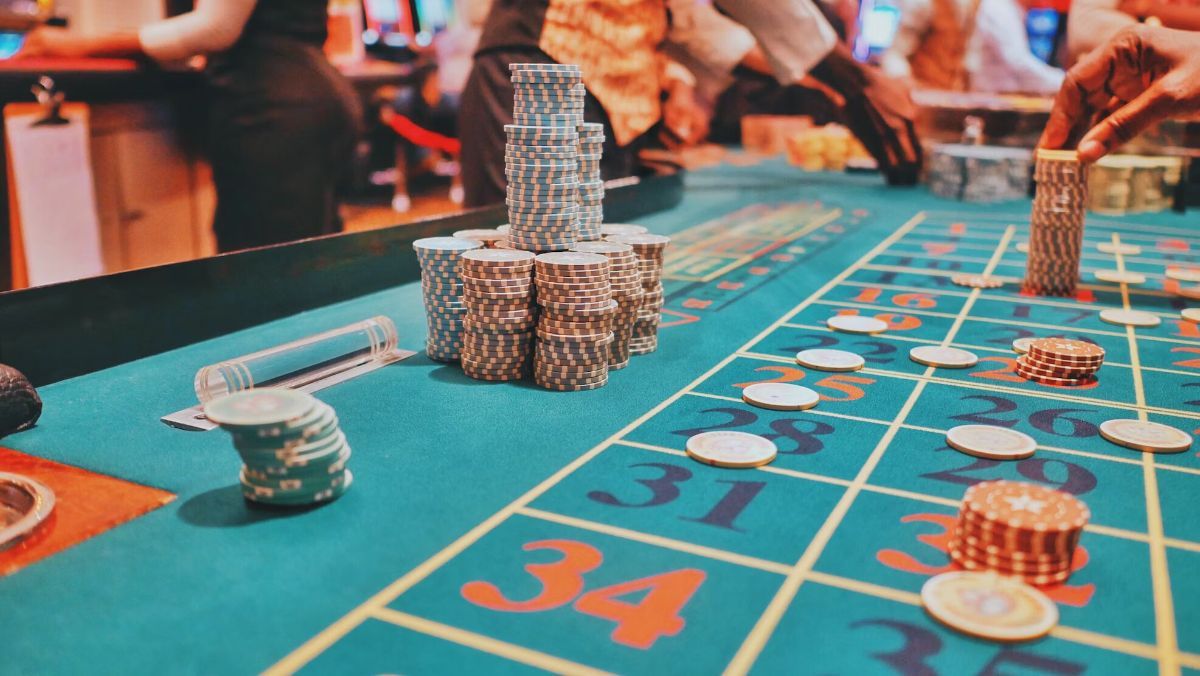
As societies evolved, so did the perception of gambling. In some cultures, it became intertwined with local customs and traditions. In Asia, for instance, gambling is an integral part of celebrations during the Lunar New Year, where games not only foster community bonding but also symbolize wealth and prosperity for the coming year. Such historical nuances illustrate how gambling can reflect and reinforce cultural values.
In various societies, gambling can serve as a social equalizer, bringing people from different backgrounds together. Whether in a casino, a local betting shop, or an online platform, individuals engage in games where status, wealth, or education may not play a significant role. This interaction fosters a sense of community, allowing for shared experiences and connections among participants, regardless of their societal standing. The legal landscape surrounding gambling can also shift, influencing how communities adapt to these social changes.
Moreover, the social implications of gambling extend to economic influences. In regions where traditional livelihoods may be declining, gambling offers an alternative means of economic activity. This shift can affect local economies and social dynamics, leading to both opportunity and contention as communities navigate the risks and rewards associated with gambling practices.
Across the globe, gambling practices vary significantly, shaped by local customs, beliefs, and legal frameworks. In some cultures, gambling is openly accepted and even celebrated, as seen in Las Vegas, where the casino culture is a key aspect of its identity. In contrast, other societies may impose strict regulations or prohibitions, viewing gambling as morally objectionable or harmful.
This cultural divergence highlights the role of governance and societal attitudes in shaping the gambling landscape. In countries where gambling is regulated, it often contributes to national revenue through taxation while promoting responsible gaming initiatives. Conversely, in regions where it remains illegal, underground gambling activities can flourish, creating challenges for law enforcement and public safety.
The rise of technology has transformed gambling, making it more accessible and pervasive. Online casinos and mobile applications allow users to engage in gambling from virtually anywhere, leading to a shift in how societies view and interact with these activities. This digital evolution has democratized access to gambling, appealing to a wider demographic than traditional venues. As these platforms evolve, they will continue to shape the development of the gambling sector.
However, this accessibility comes with challenges, including concerns about addiction and the effects of gambling on mental health. Many cultures are now grappling with the implications of this shift, as the ease of online gambling has increased awareness around responsible gaming practices. As societies adapt, the integration of technology into gambling continues to shape cultural identities in new and profound ways.

As gambling becomes an intrinsic part of various cultures, the importance of promoting responsible gaming practices has never been more critical. Many organizations worldwide advocate for education around the risks associated with gambling, aiming to create safer environments for individuals and communities. These initiatives often focus on raising awareness about addiction and providing support resources for those in need.
Moreover, some countries have implemented regulatory measures to ensure that gambling remains a safe form of entertainment. These efforts not only help mitigate the negative impacts of gambling but also contribute to a more sustainable gambling culture that can coexist with social norms and values. It reflects a growing acknowledgment of the responsibilities that come with gambling as it shapes cultural identities around the world.